

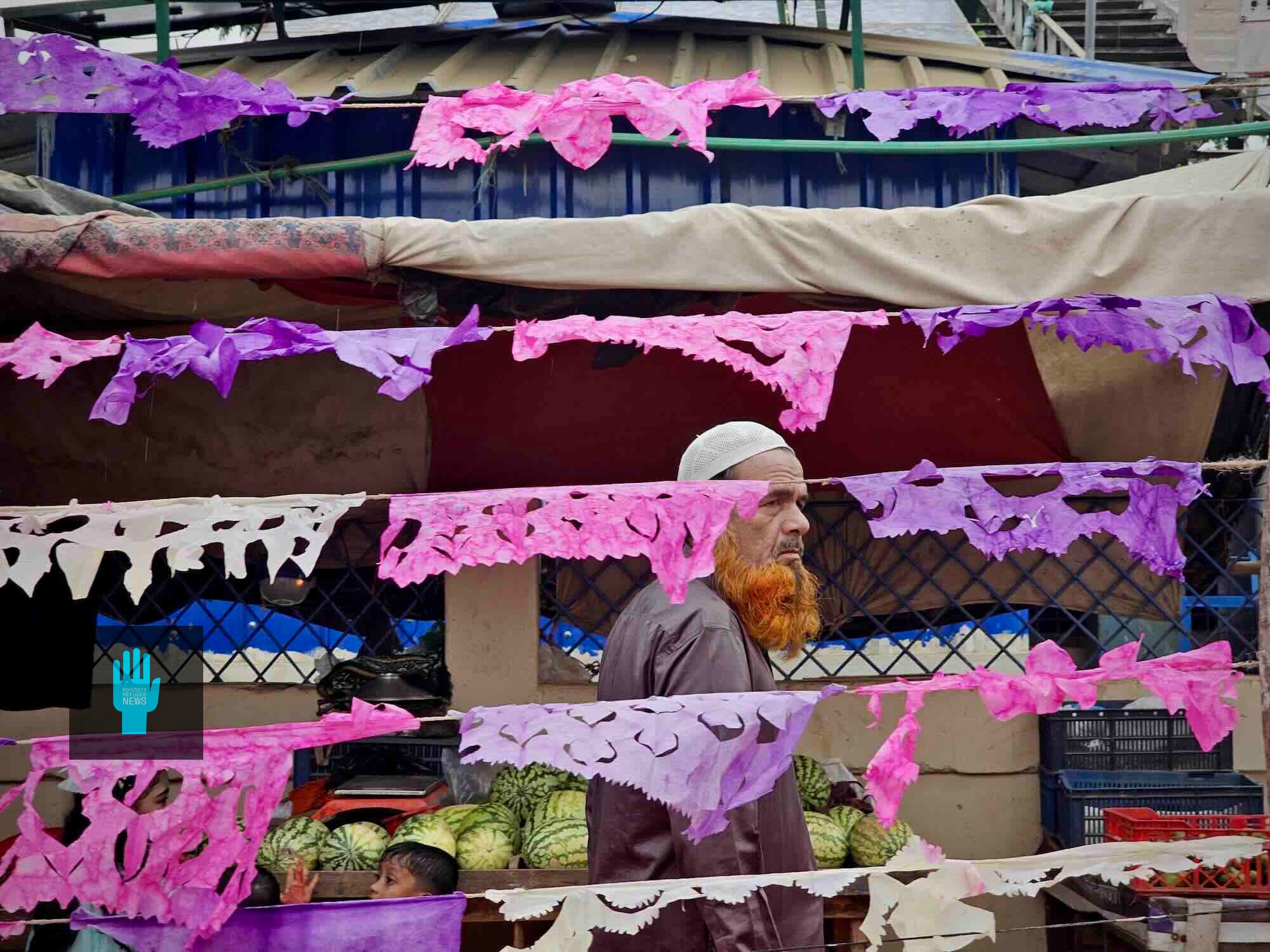
Eid arrives in the camps, and it is marked, observed, and adapted.
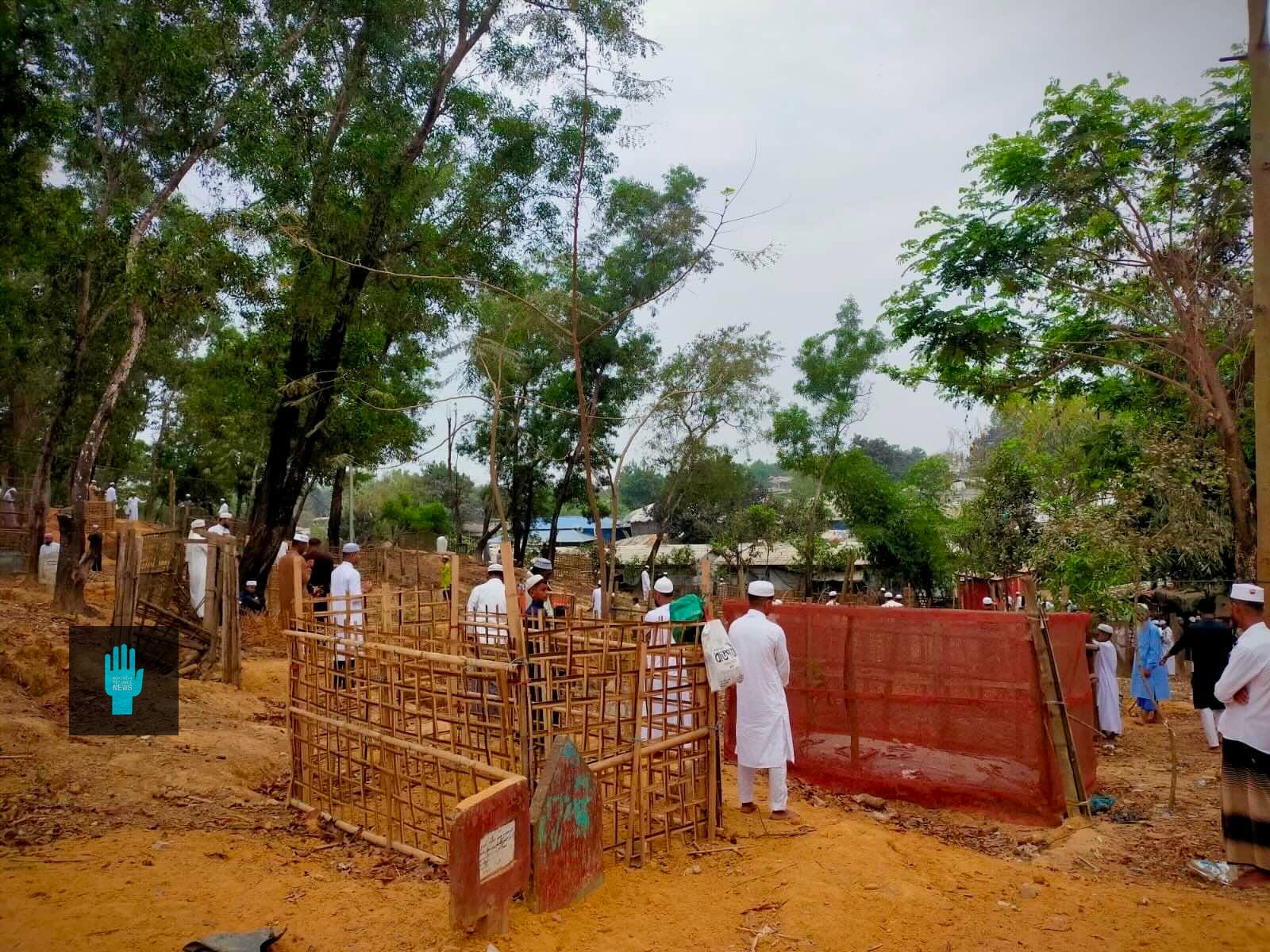
Children wear new clothes where they can. Decorations appear along bamboo frames and tarpaulin walls. Families visit graves.
These are not scenes of normal life. But they are not reducible to crisis either. For a moment, the camps hold something else - ritual, memory, and the insistence on continuity. Even here.
Eid in the camps is one of those moments where the 'bare life' narrative of Giorgio Agamben reaches its limit- people are not just victims; they are remembering, mourning, dressing up, performing normality under constraint. The camps are intended as 'bare life,' but they fail to remain so. The state may try to strip these people down to mere biological existence but the act of "dressing up" is a radical political middle finger.
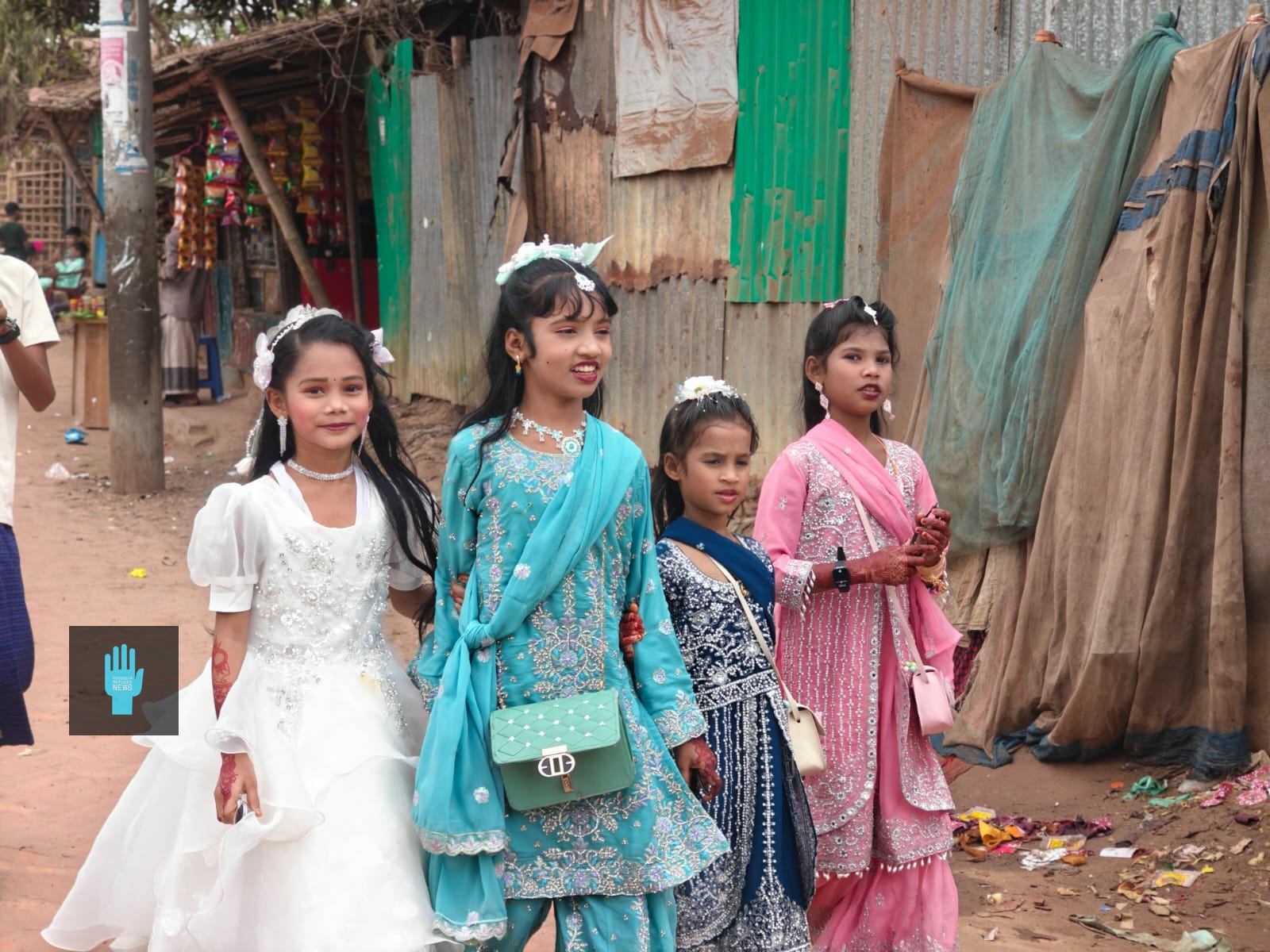
There are no rags here in the image above - only care, colour, and deliberate presentation. The conditions are impoverished. The life within them is not reducible to that. Many people carry an unspoken expectation that refugees should look visibly deprived at all times. These images disrupt that, and the disruption is not cosmetic. It is political.
The dominant imagery associated with camps is, of course, queues, malnutrition, mud and desperation. And at times, arrested Rohingya paraded under armed guard. But life does not organise itself so narrowly. It spills outward into ritual, into decoration, into the insistence on marking time.
At the same time, calling all this an example of “resilience” is a trap. It turns a political failure into a personal compliment, praising people for their endurance instead of asking why they are being crushed in the first place.
“Resilience” is comfortable for systems of management. Because if people are resilient, then reduced rations, restricted movement, and suspended futures can all be absorbed into a narrative of endurance.
When we use that word, we stop looking at the walls of the camp and start looking at the smiles of the victims, and we make their survival feel like a heartwarming story rather than a systemic crime.
These photos do not show people "bouncing back"; there is no "back" to go to. It is continuity under constraint. These rituals aren't about hope. They are about the refusal to be erased. People maintain their social lives not because they are "tough," but because life demands organisation even in a cage. To call it "resilience" is to offer a sedative that masks a crime. Calling it "continuity" keeps the machinery of injustice in plain sight.
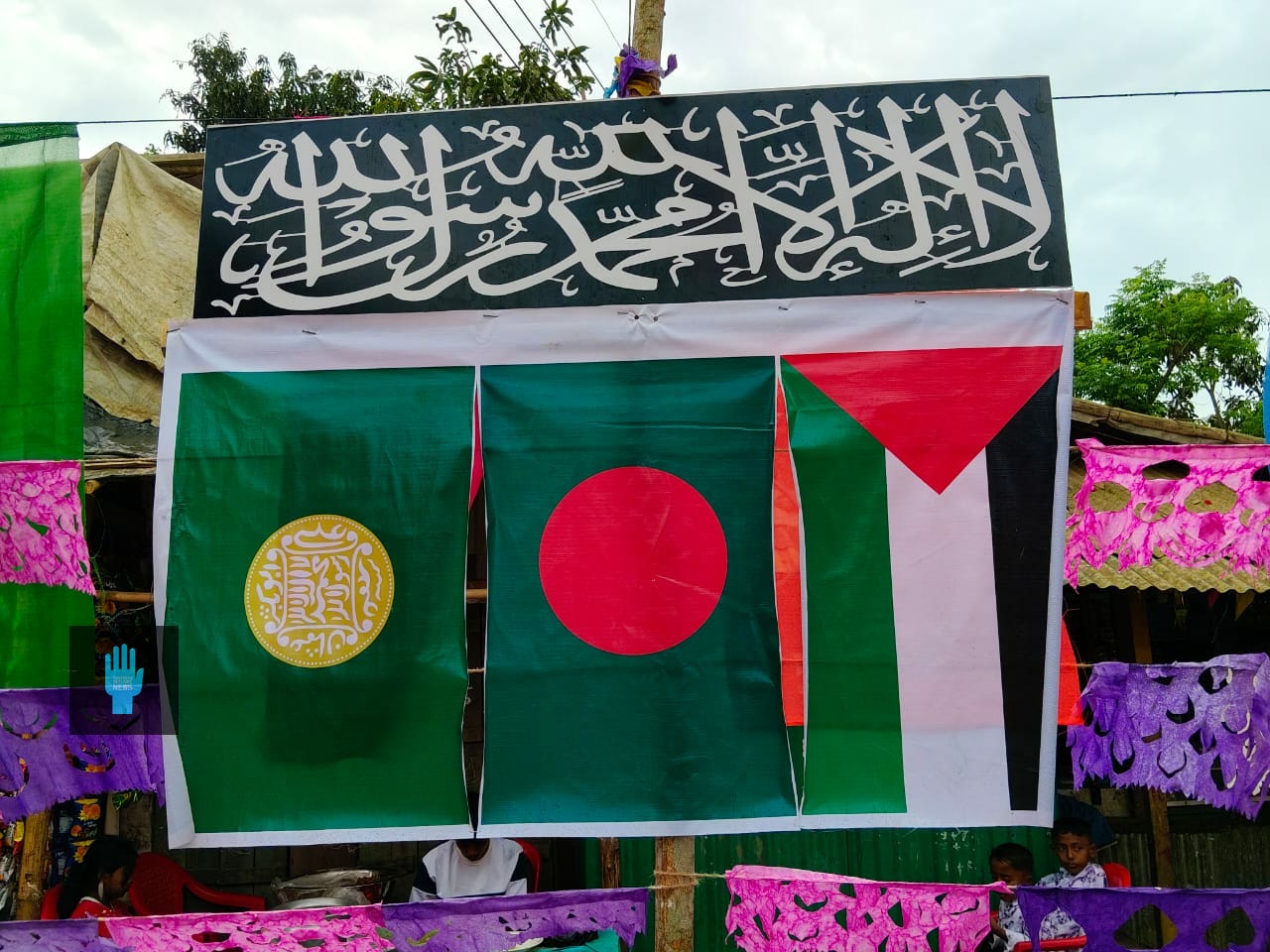
The camps are designed to contain a people.
But even here, their sense of the world is not contained.
Join my WhatsApp Channel for news, documents, videos and images.