

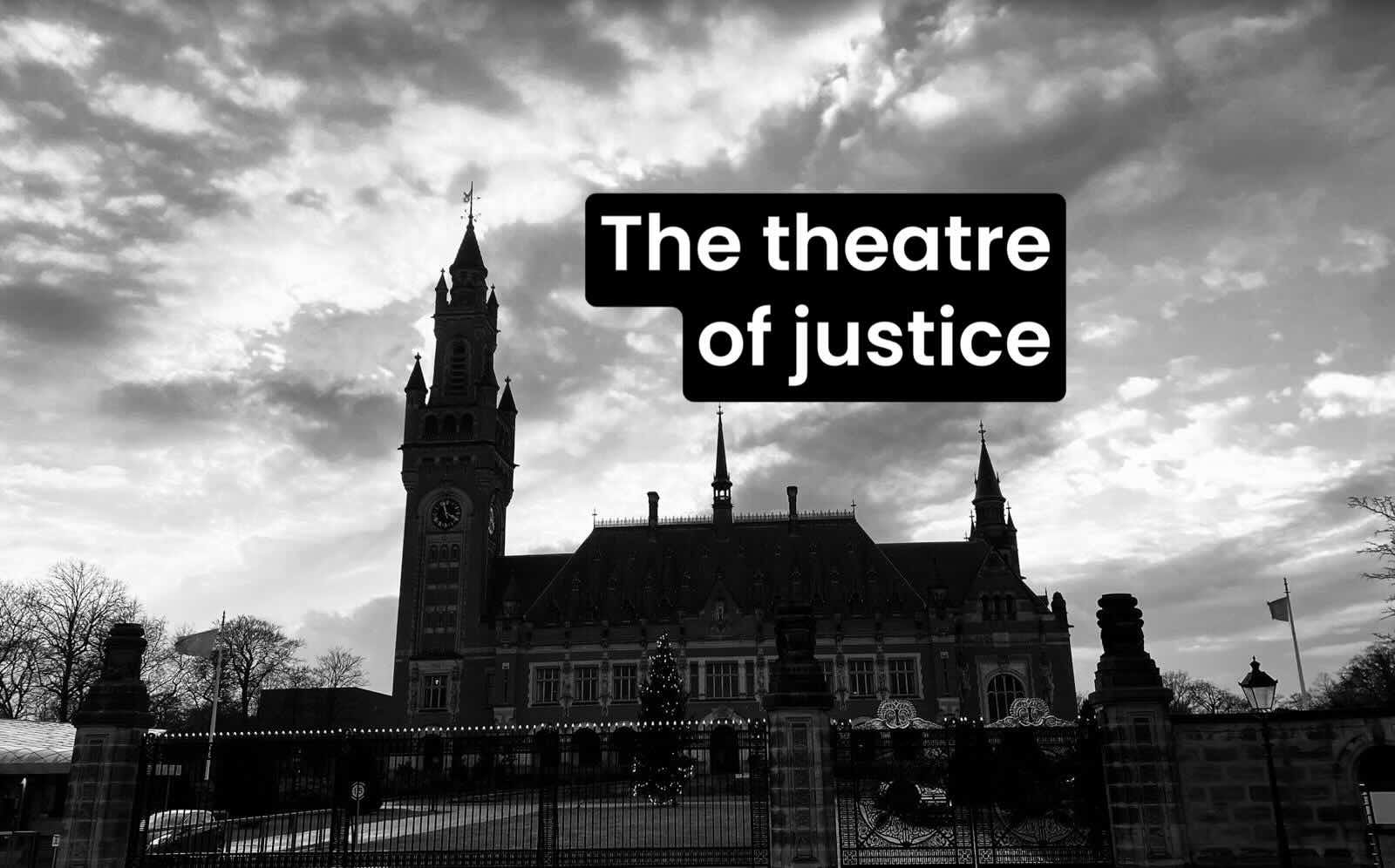
As the International Court of Justice opens three weeks of Rohingya genocide hearings on 12 January in The Hague, it is hard to avoid a sense of grim repetition. There will even be closed-door sessions with Rohingya witnesses - a reminder of how intimate the harm is, carried in bodies, families, and memory, and how distant justice remains. The process moves with ritual slowness - hearings, submissions, procedural milestones, solemn language. Meanwhile, life in the camps is defined by ration cuts, blocked education, restricted movement, and an endless wait with no horizon.
The International Criminal Court grinds forward just as cautiously. None of this is meaningless, but for the Rohingya it increasingly feels like justice permanently postponed. Recognised in principle, deferred in practice.
What makes this harder to stomach is the theatre around it. The usual diaspora leadership will gather in The Hague once again, phone cameras ready, statements prepared, solidarity carefully staged.
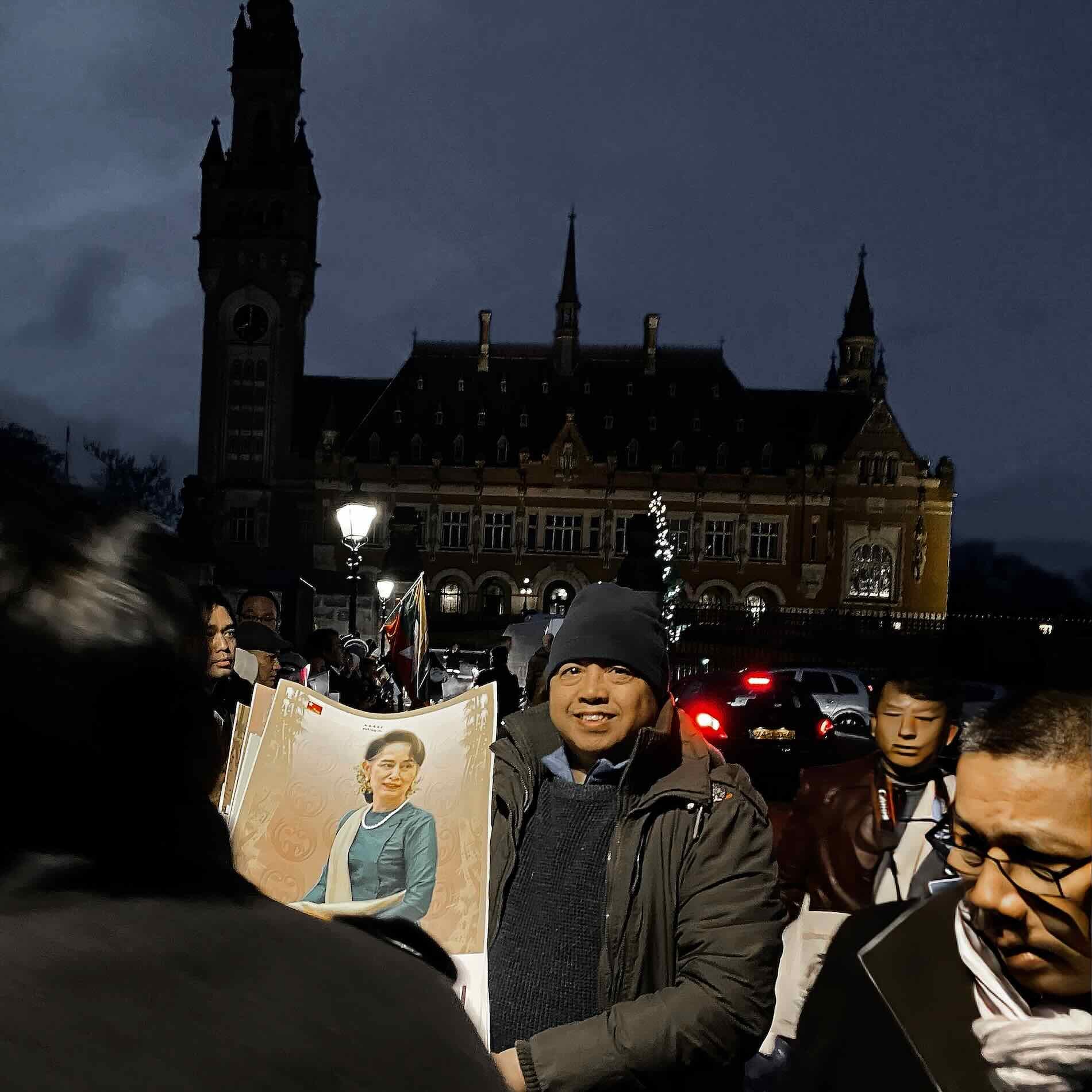
Last time, the drama centred on Aung San Suu Kyi’s appearance; now she is imprisoned, and the NLD is shattered. The cast has changed, but the choreography remains. We are left to realise that the “Suu Kyi era” of this case was a distraction. Her defence of the generals didn't buy her safety, and it certainly didn't buy the Rohingya justice. By focusing on her personal fall from grace, the international spectacle avoids the harder reality - that the genocide was never about one leader but a state structure that remains perfectly intact and perfectly immune to the slow-motion proceedings in The Hague.
These moments generate visibility but no leverage.
They produce photographs, not protection.
They allow individuals far from the camps to demonstrate their relevance while Rohingya families remain trapped in managed limbo, in Bangladesh and in Arakan alike. One is left asking, if international justice cannot alter the conditions of life for those it claims to defend, then who exactly is this slow, solemn spectacle really for?
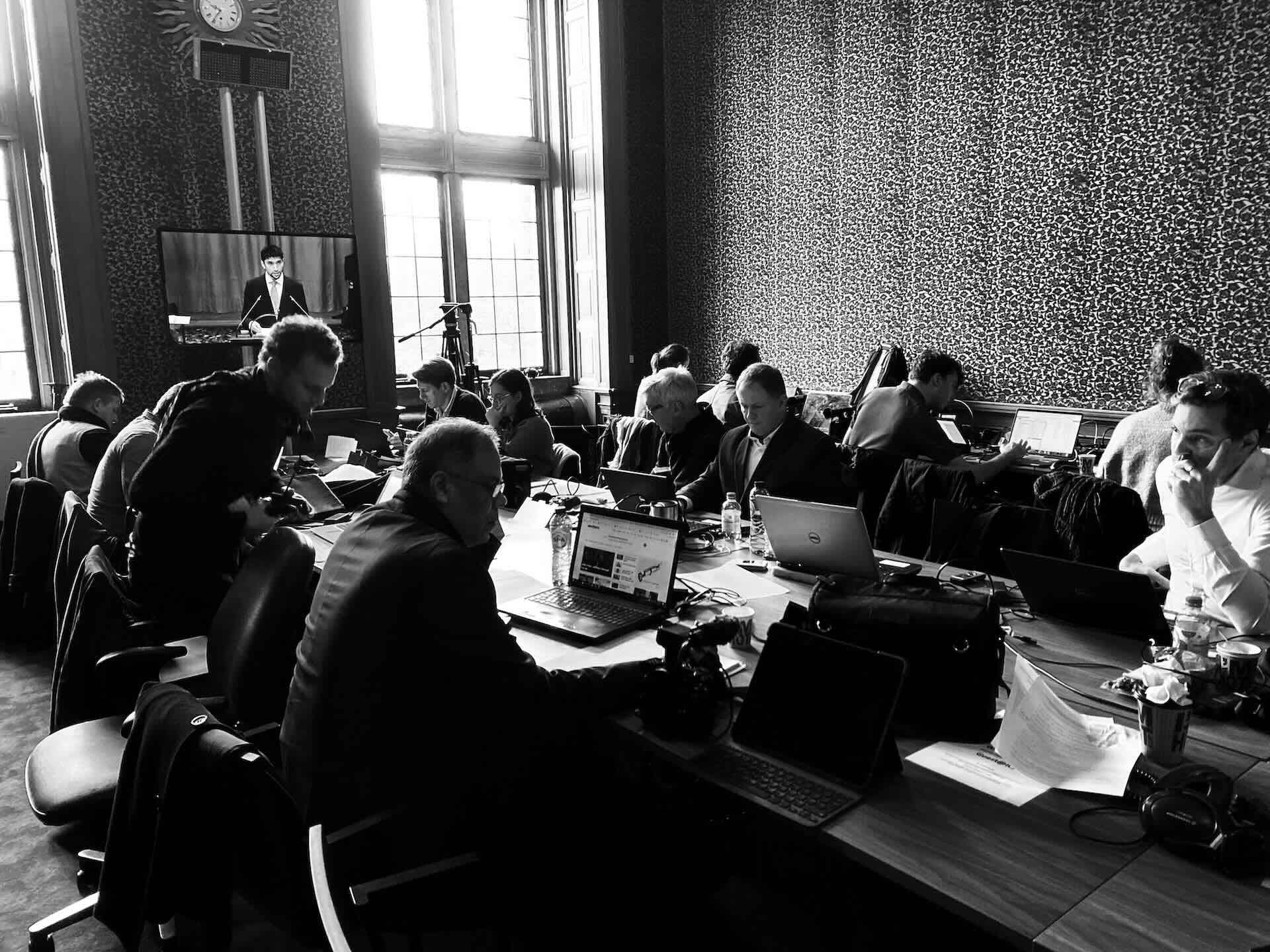
I was there at the hearings the last time the International Court of Justice sat on the Rohingya case in The Hague. There was, unmistakably, a palpable sense of reckoning in the room, a feeling that something long denied had finally entered the formal record of the world. Survivors’ suffering was no longer marginal or rhetorical; it was being spoken into law. For a brief moment, accountability felt imaginable.
But that moment has slowly dissipated. What followed was not momentum, but rather procedure, schedules, and submissions. Process began to substitute for responsibility, and the moral urgency that animated those early days gradually thinned into institutional patience.
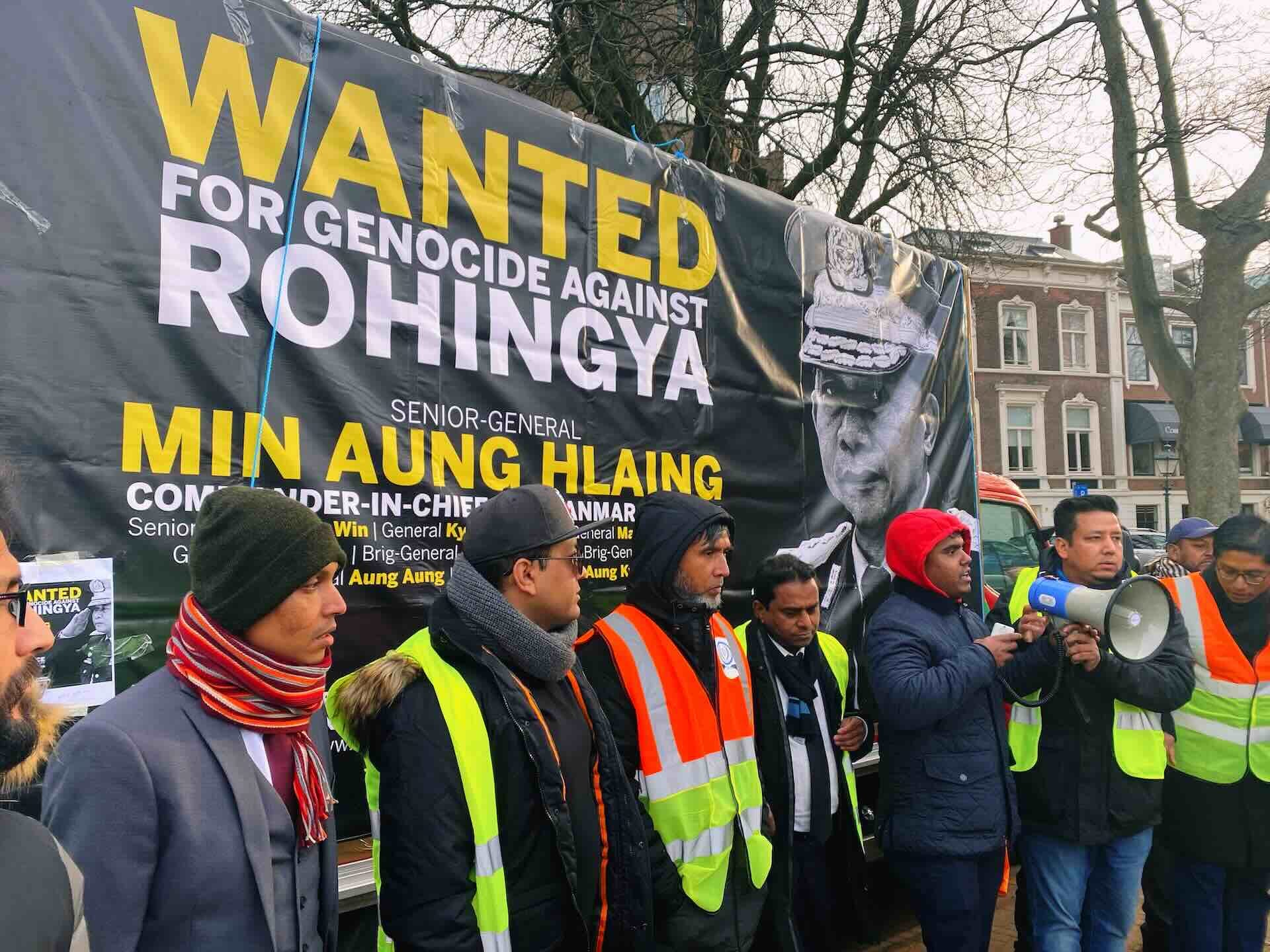
That dissipation is visible not only at the International Court of Justice but also, as I mentioned above, at the International Criminal Court. What once carried the promise of arrest warrants and personal criminal accountability now seems to have drifted into “outreach,” workshops, and community engagement exercises. As if an explanation of ICC process can substitute for enforcement! For the Rohingya, this shift is deeply unsettling. The language of justice remains, but its sharpest instruments appear to have been quietly set aside.
That is where the unease now lies. The Rohingya remain caught in a permanent threshold. They are not protected. They have not been returned nor integrated. And it is worth repeating, their futures are endlessly deferred, and rights indefinitely suspended. International justice systems continue to affirm that grave crimes occurred, yet their effects remain curiously insulated from the daily lives of those who endured them.
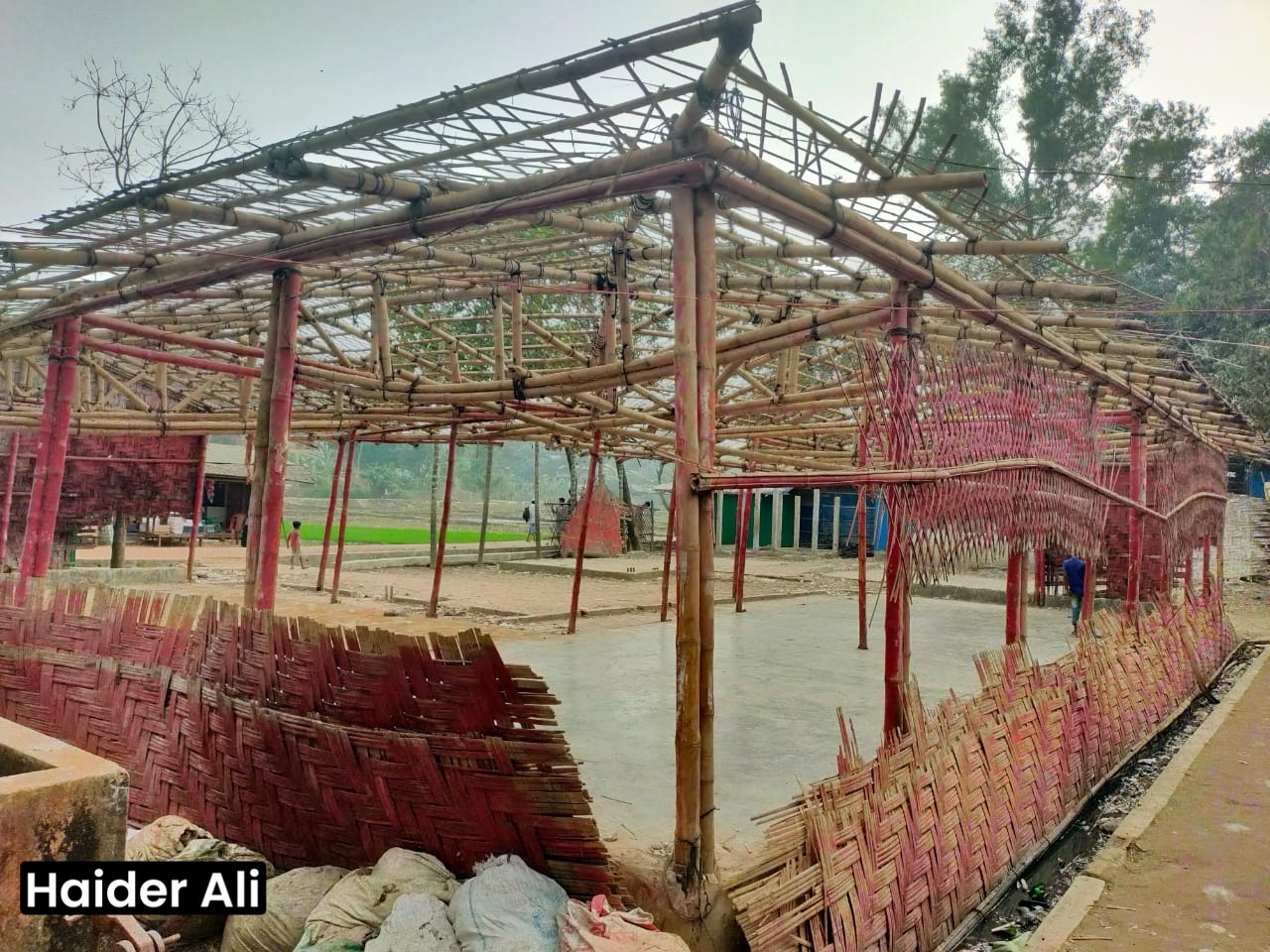
So justice is acknowledged in principle while being postponed in practice. In the meantime, the camps harden into long-term containment sites, and Arakan remains unsafe and exclusionary. The danger is not that international justice is wrong, but that for the Rohingya it risks becoming another language of waiting - solemn and ultimately, detached from the conditions of life it claims to address.
That is the uncomfortable contradiction at the heart of this moment. While international law is invoked with solemnity in International Court of Justice chambers in The Hague, the Rohingya camps themselves remain effectively lawless spaces. Governance inside the camps operates through staged “elections,” proxy leadership bodies curated by the Bangladeshi authorities, and the Camp-in-Charge system - a parallel administrative regime that does not sit within Bangladesh’s constitutional order.
Former military informants move openly, treated as intermediaries or even minor celebrities, while ordinary refugees have no access to due process, professional or accountable policing, or meaningful legal remedy. In the very place where international law claims its moral constituency, law as such is absent, replaced by control and coercion.
This is what makes the fixation on distant courtrooms feel so hollow for many Rohingya. Justice is endlessly discussed at the international level while governance on the ground is structured precisely to avoid rights, accountability, or representation. The camps function as zones where ordinary law does not function, where rights and legal protections are withheld in the name of temporariness, even as that temporariness stretches on indefinitely. Temporariness has become permanent.
Until international justice grapples not only with crimes committed in the past, but the everyday systems, rules, and routines that shape Rohingya life in the camp in the present, it risks becoming another ritual without consequence. High-profile in courtrooms and headlines, but irrelevant where Rohingya lives are actually being lived.
I also share shorter updates, documents, and observations, including occasional Bangla translations, on my WhatsApp channel, for material that does not always fit into longer Substack pieces. Readers are welcome to join.
Thank you for reporting on this case, totally forgotten by the mainstream ! Two pieces translated in French here : https://zanzibar.substack.com/p/pourquoi-la-haye-semble-vide-despoir