

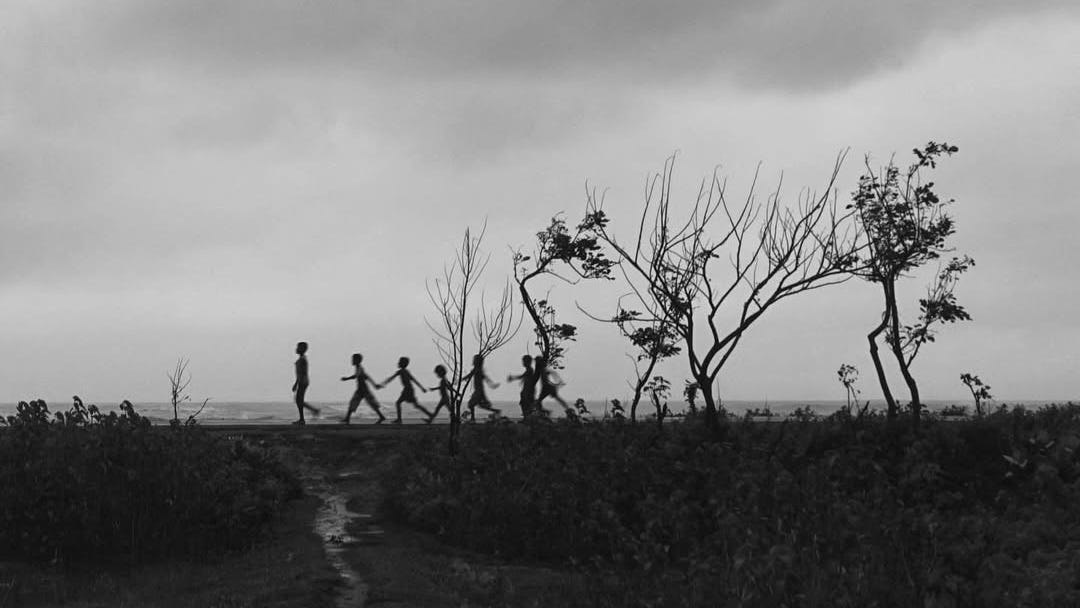
I have a new essay out today in THROAT, where I try to think through how the Rohingya have been seen and mis-seen since 2017. It is not a conventional “crisis” piece. Instead, it is about the politics of images. How certain ways of photographing refugees become routine, and how these routine ways quietly shape what the public feels entitled to think, and what it is willing to ignore.
From the beginning of the Rohingya exodus, a familiar visual grammar took hold - columns of exhausted people crossing mud, mothers clutching children, and queues for aid. These images were not false, but they were partial. Over time, they hardened into a template, what we can call “refugee-ness” - a narrow repertoire that renders displaced people either as helpless victims or, later, as threats to be contained.
In the essay, I argue that this matters because images do political work. They help normalise policies, including barbed wire fences, movement restrictions, and internet bans, and they make structural harm look like misfortune or bad weather. Fires and landslides in the camps are routinely described as “accidents,” when in fact they are the predictable result of the conditions in which Rohingya are forced to live.
Alongside the text, THROAT is publishing a small selection of my photographs. They are meant less as illustration than as counter-frames - attempts to show ordinary life, dignity, and individuality that the dominant imagery so often erases.
Photography by refugees is important because it can challenge the visual habits that make displacement seem natural and inevitable. (More about this soon). And if “refugee-ness” reduces lives to categories, then looking differently is a small act of resistance. It does not fix the world, but it keeps it human.
You can read the full piece here.
Join my WhatsApp Channel for news, documents, videos and images.