

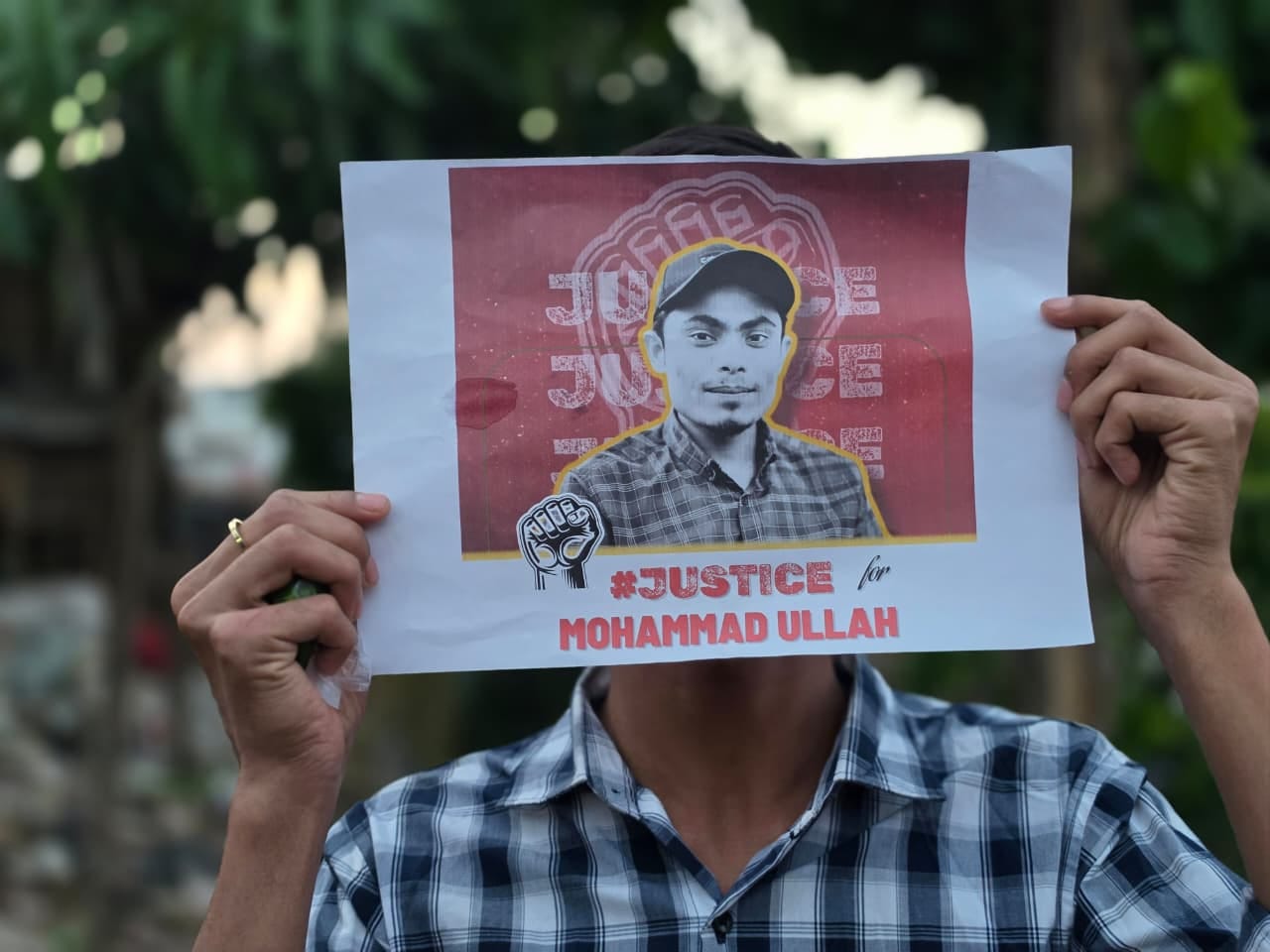
My Dhaka Tribune article on the Rohingya Gen-Z movement was published today. It argues that something important has shifted inside the refugee camps. A new generation of Rohingya youth is publicly challenging entrenched power structures, intimidation, and the informal architecture of authority that has long shaped camp life.
Events since I wrote the article have only reinforced that argument.
On 5 May, Abdul Halim, an Arakan Rohingya Organisation (ARO) leader, was killed near Tarjar Bridge between Camp 7 and Camp 8 East. I have written separately about the deeper political context of that killing and the allegations now circulating around it. But one immediate consequence was striking. Shortly before Halim’s death, the Rohingya Committee for Peace and Repatriation (RCPR) had issued a statement presenting itself as the guardian of “peace, stability, unity, dignity,” insisting that it had maintained peace across the camps since September 2024.
Yet after the killing, the RCPR office closed and its leadership largely disappeared from public view. When visited recently, the office door was open, but only a few youths remained there, sitting idly inside.
The contrast is difficult to ignore. An organisation presenting itself as the stabilising structure of the camps appeared unable to maintain even its own organisational presence once violence escalated.
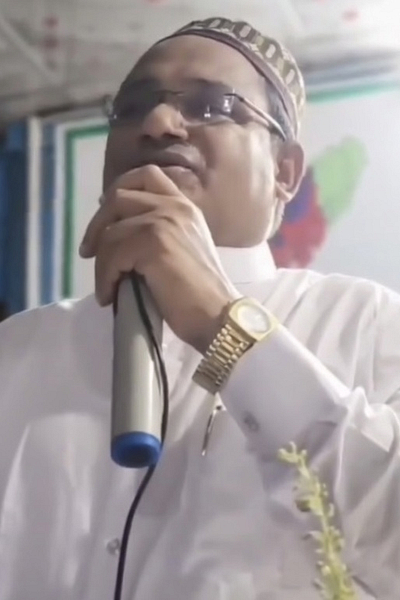
The picture has become even more complicated. Case documents relating to Abdul Halim’s killing name Dil Mohammed among the accused/suspects. The very figure around whom RCPR’s authority was organised is now reportedly drawn into the investigation of the killing. In other words, the issue is no longer only whether RCPR had legitimacy. It is whether the refugee camp order being assembled around Dil Mohammed was already collapsing under the weight of its own contradictions. Its authority depended less on deep community legitimacy than on a fragile arrangement of patronage, mediated leadership, and relationships with powerful actors surrounding camp governance.
There are also indications that the dynamics among the Bangladeshi agencies involved in refugee camp management may themselves be shifting. Multiple Rohingya sources distinguish between the roles of DGFI and NSI, often portraying them as operating with different approaches toward figures like Dil Mohammed and toward the wider camp order itself. Some Rohingya now speculate that recent events may reflect internal reshuffling or recalibration among the authorities. These claims remain difficult to independently verify. But, again, the perceptions themselves matter because they shape how many Rohingya now interpret power inside the camps.
Meanwhile, the pressure on Gen-Z activists has continued.
One of the prominent youth voices associated with the movement, Sahat Zia Hero, has now been named in a murder case which he strongly denies. In a letter sent to the RRRC office, he described the allegation as false and politically motivated. He argues that his inclusion in the case is part of a wider effort to intimidate youth activists who have spoken publicly about corruption, trafficking, violence, and protection failures inside the camps.
Sahat Zia says he has also written to the UN Human Rights Office in Geneva about his situation. After Mohammed Ullah reported threats to UNHCR and still ended up missing at sea, Rohingya youth are no longer treating local protection channels as sufficient. They are escalating outward, because the system that should have protected them has already failed once, with devastating consequences.
The charge against Sahat Zia resembles a familiar refugee camp dynamic in which outspoken individuals suddenly find themselves exposed to accusations, surveillance, or legal vulnerability after challenging powerful actors.
That is important because the Gen-Z campaign was never only about Mohammed Ullah. It was about who is permitted to speak, who is protected, who becomes vulnerable after speaking out, and whether Rohingya youth can act politically without becoming targets themselves.
The Dhaka Tribune piece argues that Mohammed Ullah’s death broke a long silence inside the camps. What has happened since makes that even clearer. The structures being challenged were not as strong or neutral as they claimed to be. They now look weaker, more politically managed, and more entangled in the very violence they said they were preventing.
Further Reading
Rohingya Gen-Z break the silence
How One Man is Shaping Rohingya Repatriation Rhetoric
Rohingya Refugee News (RRN) has been the only outlet consistently tracking Dil Mohammed’s rise through the murky overlap of armed-group politics, repatriation theatre, and refugee camp governance. See: Dil Mohammed Smuggler
Join my WhatsApp Channel for news, documents, videos and images.