

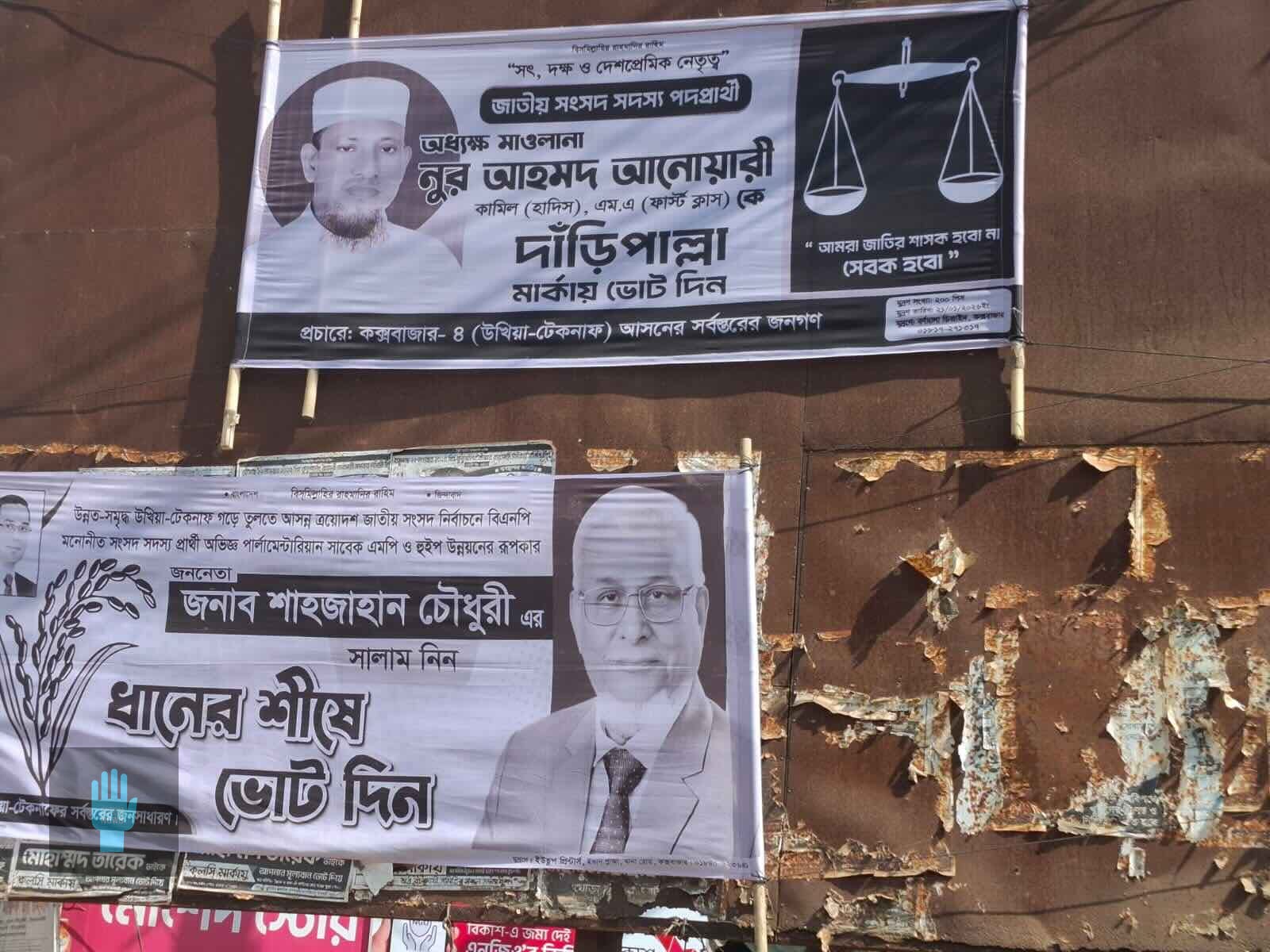
Over the past month, I have written three essays in three different places for Frontier Myanmar, DVB English, and in a longer analytical piece for Himal Southasian on what Bangladesh’s election will mean for the Rohingya. They look at different moments, different actors, and different arenas. But they have the same core argument.
This is what ties them together.
Repatriation is not primarily a humanitarian policy. It is a mode of governance
Across all three pieces, my starting point is simple. In Bangladesh, “repatriation” has not functioned as a plan to return Rohingya nor to restore Rohingya rights in Myanmar. It has functioned as a political instrument.
It has been used to signal moral leadership to the international community, assert sovereignty against humanitarian agencies, reassure domestic audiences that Rohingya will not “settle,” extract aid and diplomatic leverage, and discipline the refugee population inside the camps.
In other words, repatriation is less a solution to displacement than a governing tool. It is a way of managing a population that the state does not want to integrate but cannot expel.
Permanent temporariness is the point
All three essays challenge the idea that the Rohingya are simply “waiting” for return. What appears as humanitarian limbo is, in practice, a durable form of rule.
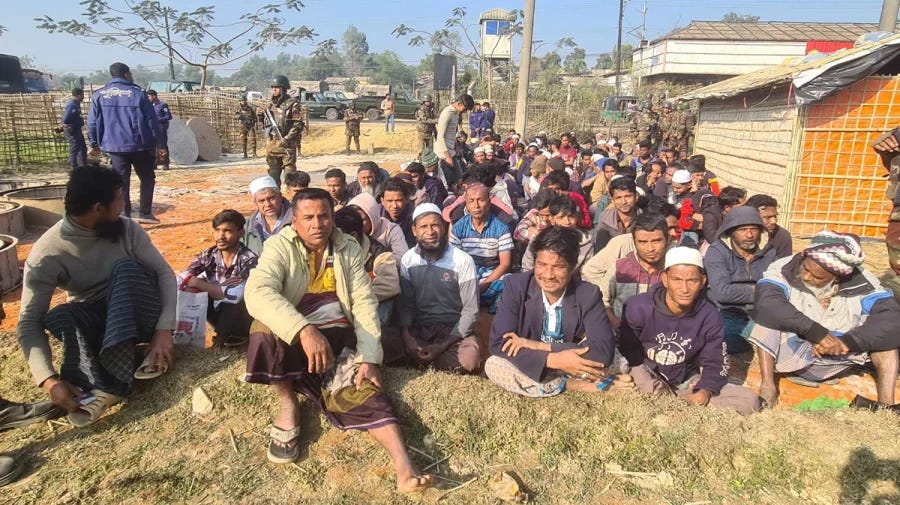
The camps are designed to feel temporary. We see flimsy shelters, restrictions on permanent materials, limited education and movement, and constrained livelihoods, even though this “temporary” condition is now entering its ninth year. This is not failure. It is a strategy.
Temporariness blocks claims to rights or local inclusion or integration while keeping the population bureaucratically manageable, contained, and governable.
Rights are deferred in the name of future return
The language of “voluntary, safe, and dignified return” sounds principled. But in practice, it often operates as a justification for doing very little now.
“Preparation for repatriation” becomes a reason to cap education, restrict mobility, limit work, and postpone legal protections, especially for women.
The promise of return thus works less as a pathway home and more as a moral rationale for denying rights in the present.
Development cannot substitute for politics
A recurring theme in all three pieces is scepticism toward technocratic fixes, whether called “Rakhine reconstruction,” “pilot returns,” or development corridors.
Rebuilding infrastructure, offering cash assistance, or designing better camps may be necessary, but they are not sufficient. They do not address the core political problem: the denial of Rohingya citizenship, land rights, freedom of movement, and equal protection under the law in Myanmar.
Without enforceable rights, “reconstruction” risks becoming an alibi for exclusion and makes repatriation look practical while leaving the structure of apartheid intact.
Pilot repatriation is likely to be spectacle, not solution
I argue in all three pieces that a plausible near-term outcome is not mass return but carefully staged “pilot” repatriation.
This would be small in scale, highly managed, internationally branded, okayed by compliant Rohingya organisations, symbolically powerful, and largely disconnected from refugee consent or legal guarantees.
Such a scheme would allow Bangladesh to look decisive, UNHCR to look effective, and Myanmar’s powerholders to look cooperative while the underlying system of exclusion remains unchanged.
This is about surplus population management
Underlying all of this is a broader logic. The Rohingya are treated not as rights-bearing people but as a surplus population: to be biometrically counted, verified, contained, displayed, and periodically moved, but not integrated or included or fully restored to rights.
Aid sustains life without altering status. Security measures police boundaries without creating safety. Repatriation promises movement without delivering justice.
Elections change the messengers, not the message
Whether under Sheikh Hasina, the interim government, or a future BNP administration, the language shifts but the structure remains. Different parties use repatriation differently, viz. as moral branding, nationalist resolve, or ideological cause but all operate within the same underlying framework of containment.
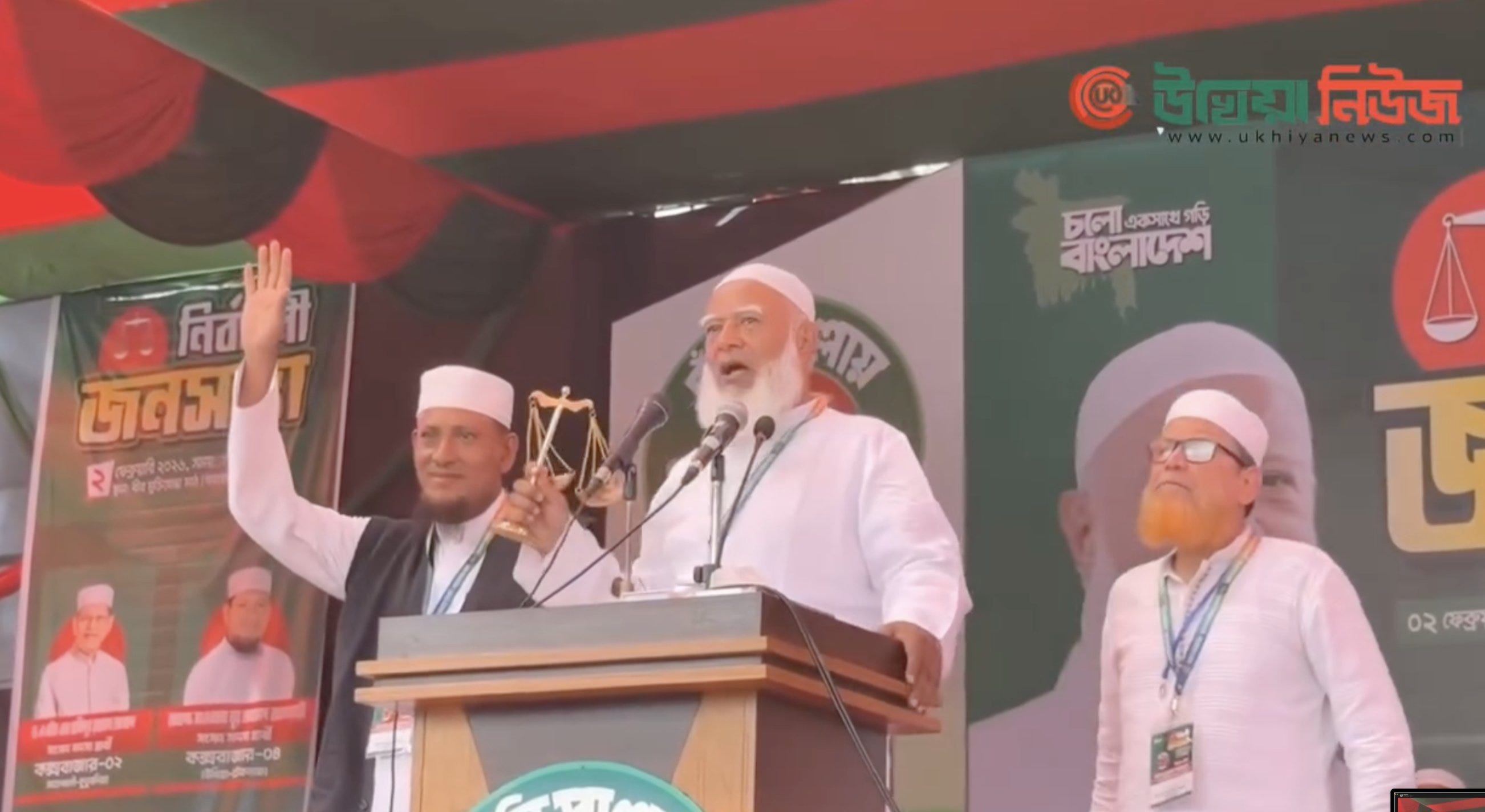
That is why the Rohingya barely feature in electoral debate. Their governance sits outside normal democratic politics. Instead, it is shaped by donor diplomacy, security coordination, and international image-making.
The issue is absent from major party manifestos and electoral rallies. It mainly appears during donor visits or international conferences. This is further evidence that Rohingya governance operates outside Bangladesh’s normal democratic politics.
What this means going forward
My argument is not that repatriation is illegitimate in principle. Of course not. It is that repatriation without rights is not a solution. It is a form of control.
A serious policy would need to set out clear and enforceable conditions for return, backed by genuine monitoring in which refugees themselves can participate, alongside a definitive recognition of Rohingya citizenship in Myanmar. At the same time, it would have to move away from the current model of securitised governance inside Bangladesh and treat the camps as spaces of rights rather than areas ruled primarily through restrictions and policing.
Until then, “repatriation” will remain less a bridge home than a wall that keeps people in place. These three articles are, in different ways, an attempt to name that wall.
Further Reading:
How Bangladesh’s election won’t solve the Rohingya refugee crisis
DVB English
Rohingya repatriation as a governance tool in Bangladesh
Frontier Myanmar
Join my WhatsApp Channel for news, documents, videos and images.